Paralleling Generators for N+1 Redundancy
When you rely heavily on consistent power, even a short outage can cause missed orders, lost data, or safety concerns. Many facilities outgrow the protection a single standby generator can offer and move to a paralleled system with N+1 redundancy instead. At Generator Services, Inc. in Columbia, SC, we help you understand how paralleling works, why N+1 matters, and what it takes to build reliable backup power for commercial and mission-critical sites.
What It Means to Parallel Generators
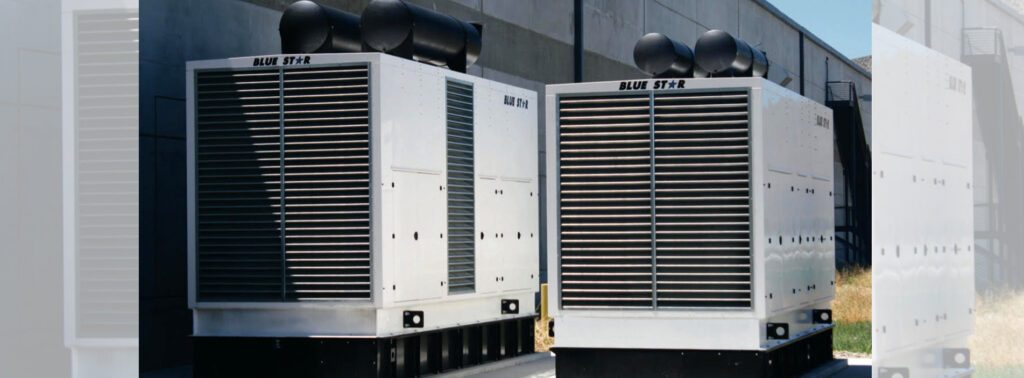
Paralleling generators means connecting two or more units so they operate as one coordinated power source. Each generator ties into common switchgear, then matches voltage, frequency, and phase with the others before its breaker closes. Once synchronized, the units share the load across the generator bus instead of running separately.
This setup gives you flexibility. You can run a single generator for lighter loads and bring more online when demand rises. If one unit is offline for service, the others can carry the critical load if they have enough capacity. This coordinated approach is what makes N+1 redundancy possible.
How N+1 Redundancy Protects Your Facility
N+1 describes a design where “N” is the number of generators needed for your full critical load, and the “+1” is an extra unit available to cover a failure or planned outage. If your essential systems require three generators, an N+1 configuration includes four parallel units. When one drops out, the remaining three can still support your critical loads.
This brings several advantages. Reliability improves because a single fault does not take down backup power. Downtime shrinks, since you can keep essential systems online while one generator is serviced. Load sharing spreads work across machines, which can support longer engine and alternator life. N+1 also makes it easier to grow. As power demand rises, you can add more generators to the parallel group instead of replacing one large unit with an even larger model.
Where N+1 Systems Are Commonly Used
You will find paralleled N+1 systems in facilities where power loss has serious consequences. Data centers use them to protect servers, storage arrays, and cooling equipment. Hospitals depend on them for life safety systems, operating rooms, imaging equipment, and medical gas support. Manufacturing plants protect continuous processes, automation, and environmental controls. Large commercial buildings such as office towers, logistics hubs, and mixed-use complexes use N+1 to support elevators, fire protection, communications, and critical tenant loads.
Core Components of a Paralleled Generator System
Successful paralleling depends on more than the generators themselves. At the center sits the switchgear that connects the utility source, the generator bus, and the building loads. Inside that gear, breakers and protection devices control which sources feed your facility at any moment and isolate faults when they occur.
Generator controllers handle synchronization so each unit lines up with the bus before connecting. They also manage load sharing, so no single machine is overloaded while others are idle. Dedicated synchronization equipment or integrated digital controls watch voltage, frequency, and phase angle and decide when it is safe to close breakers. Protective relays and metering watch for abnormal conditions such as short circuits or out-of-tolerance voltage. Monitoring tools give you and your service provider a clear view of system status during both testing and real outages.
Design, Fuel, and Installation Considerations
Designing an N+1 parallel system starts with a careful look at your loads. You need to define which circuits are truly critical, which can be shed, and how much future growth to plan for. That information shapes generator sizing, the number of units, and the layout of switchgear and distribution. It also affects how you group loads across transfer switches and panels.
Fuel type is another key decision. Diesel generators are widely used for standby service and deliver strong starting performance, but they require on-site storage, regular fuel quality checks, and a plan for refueling during extended events. Natural gas generators draw from the gas utility and reduce on-site storage needs, but they depend on that supply remaining available during severe weather or other grid issues. Some facilities combine approaches, with diesel for the most critical loads and gas units adding capacity for the rest.
Installation planning covers more than placement. Generators need proper ventilation, exhaust routing, and sound control. Switchgear rooms must provide the right clearances and withstand available currents. Grounding, bonding, and protection settings must match both code requirements and utility rules for systems that can interact with the grid. Expert engineering pulls these pieces together, models fault levels, and sets protection so the system reacts safely during faults and transitions.
Why Expert Engineering Matters
Paralleled N+1 systems live at the intersection of electrical design, controls, and mechanical support. Mistakes in sizing, synchronization settings, or protection can lead to nuisance trips at best and equipment damage or safety risks. At Generator Services, Inc., we help businesses move from single standby units to parallel N+1 solutions that better match their risk profile. If you are planning new backup power or reassessing an older system, schedule a consultation with Generator Services, Inc. so we can help you decide whether generator parallel and N+1 redundancy are the right fit for your facility.