Load Bank Testing for Facility Managers: What It Is, Why It Matters, and How Often to Do It
When the power goes out, facility managers rely on their backup generators to keep operations running, from lighting and HVAC to critical systems and data centers. But a generator that hasn’t been properly tested can fail when it’s needed most. That’s why proactive testing, especially load bank testing, is essential. Rather than waiting for an emergency to find out whether your generator performs, load bank testing gives you the proof you need in controlled conditions.
What Is Load Bank Testing?
Load bank testing is a procedure that simulates the electrical load your facility’s generator would experience during an actual power outage. Instead of waiting for real demand, technicians connect a device called a load bank that safely draws power from the generator to mimic the load created by lighting, machinery, or HVAC systems.
This process measures the generator’s ability to produce and sustain power under various load levels, from light operation to full capacity. By doing so, it tests not just the generator’s output but the performance of its engine, alternator, fuel system, and cooling components.
Why Load Bank Testing Is Essential
For facility managers, load bank testing is more than a maintenance step; it’s a reliability and safety requirement. Routine testing helps ensure your generator can handle a full electrical load when utility power fails, while also keeping you compliant with industry regulations and insurance standards.
Ensures Generator Reliability During Power Outages
Generators can start without issues, yet still fail when placed under load. Load bank testing helps verify that your generator can carry the electrical demand required during a real outage. It ensures that voltage and frequency remain stable and that the engine can reach and maintain operating temperature without struggling.
Identifies Maintenance Issues Early
Without load testing, small issues, such as clogged fuel injectors, weak batteries, coolant leaks, or carbon buildup, may go unnoticed until they cause a breakdown. Load bank testing exposes these weaknesses by placing the system under stress in a safe, controlled setting. Catching these problems early prevents costly repairs and downtime later.
Supports Safety, Insurance, and Regulatory Compliance
Many industries and jurisdictions require regular generator testing to meet safety and insurance standards. For instance, the National Fire Protection Association (NFPA 110) outlines testing guidelines for emergency and standby power systems, especially in healthcare and critical facilities. Insurers may also require annual proof of load testing to verify operational readiness.
How Often Should Load Bank Testing Be Performed?
Testing frequency depends on your facility’s usage and the type of generator system you have. As a general rule:
- Standby or emergency generators should undergo load bank testing at least once a year to confirm full operational capacity.
- Prime or continuous-use generators may require testing every six months or after significant maintenance work.
- Generators in critical applications, such as hospitals, data centers, or industrial plants, may require quarterly testing per NFPA or facility-specific standards.
What Happens During a Load Bank Test?
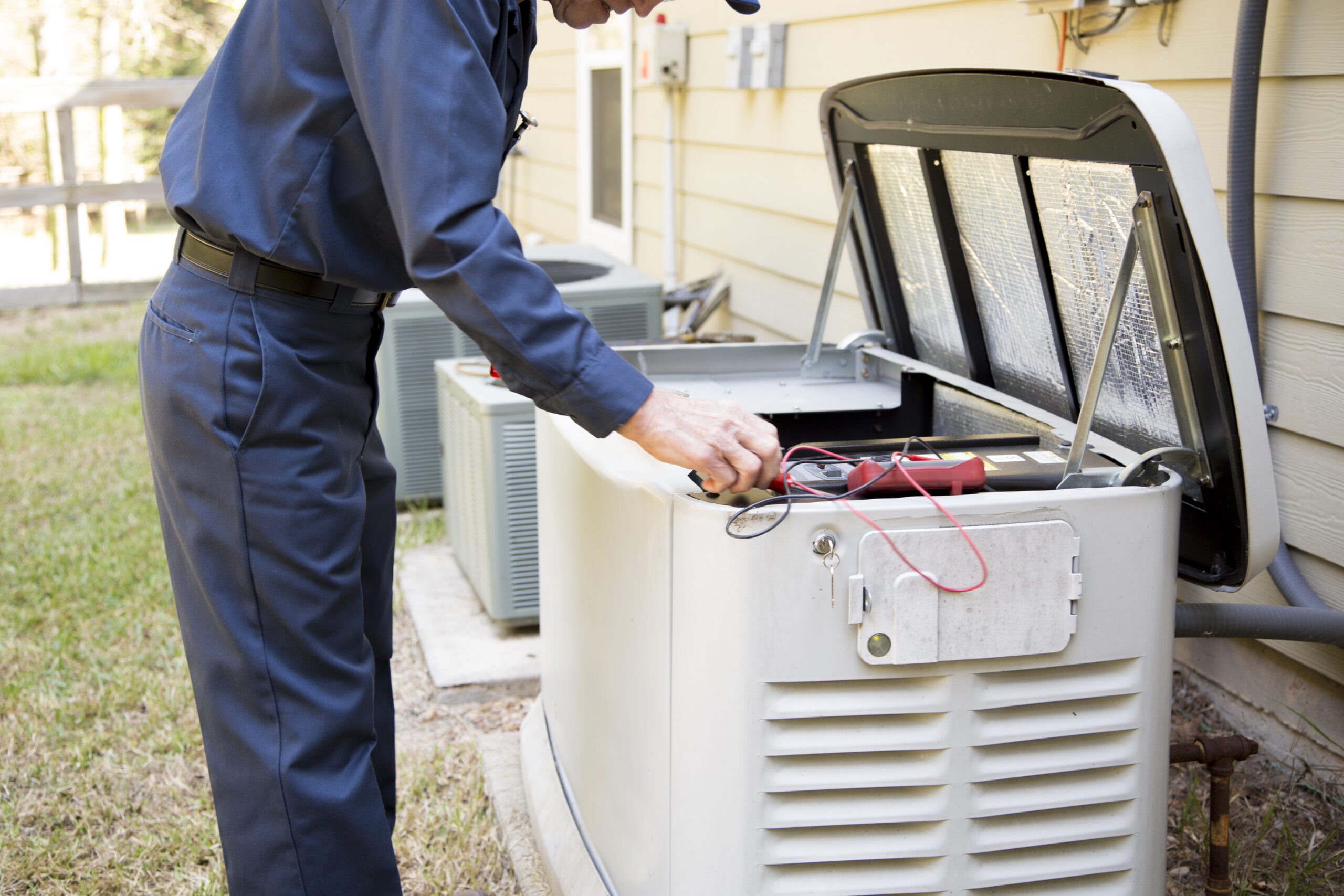
A qualified technician conducts the test by connecting a load bank to the generator’s output terminals. The process involves several key steps:
- Gradual load simulation: Technicians apply load in stages (typically 25%, 50%, 75%, and 100%) to measure the generator’s response and stability.
- Monitoring performance: During each phase, they track voltage, current, frequency, fuel pressure, oil temperature, and exhaust output to confirm that all systems operate within safe limits.
- Identifying anomalies: Any irregularities, such as overheating, low voltage, or slow response, are documented for maintenance follow-up.
- Reporting results: After testing, a detailed report outlines system performance, any detected issues, and recommendations for repair or adjustment.
Schedule Load Bank Testing or Generator Maintenance
For facility managers, load bank testing is one of the most valuable preventive measures you can take. It not only verifies generator performance but also safeguards your facility’s operations, compliance status, and reputation.
Generator Services, Inc. provides professional load bank testing and maintenance for commercial and industrial generators of all sizes. Our technicians ensure your system meets all operational and safety standards, giving you peace of mind when it matters most.
Schedule your next load bank test or maintenance service today to ensure your backup power system is always ready to perform!