What Size Generator Do You Need to Power Your Entire Home?
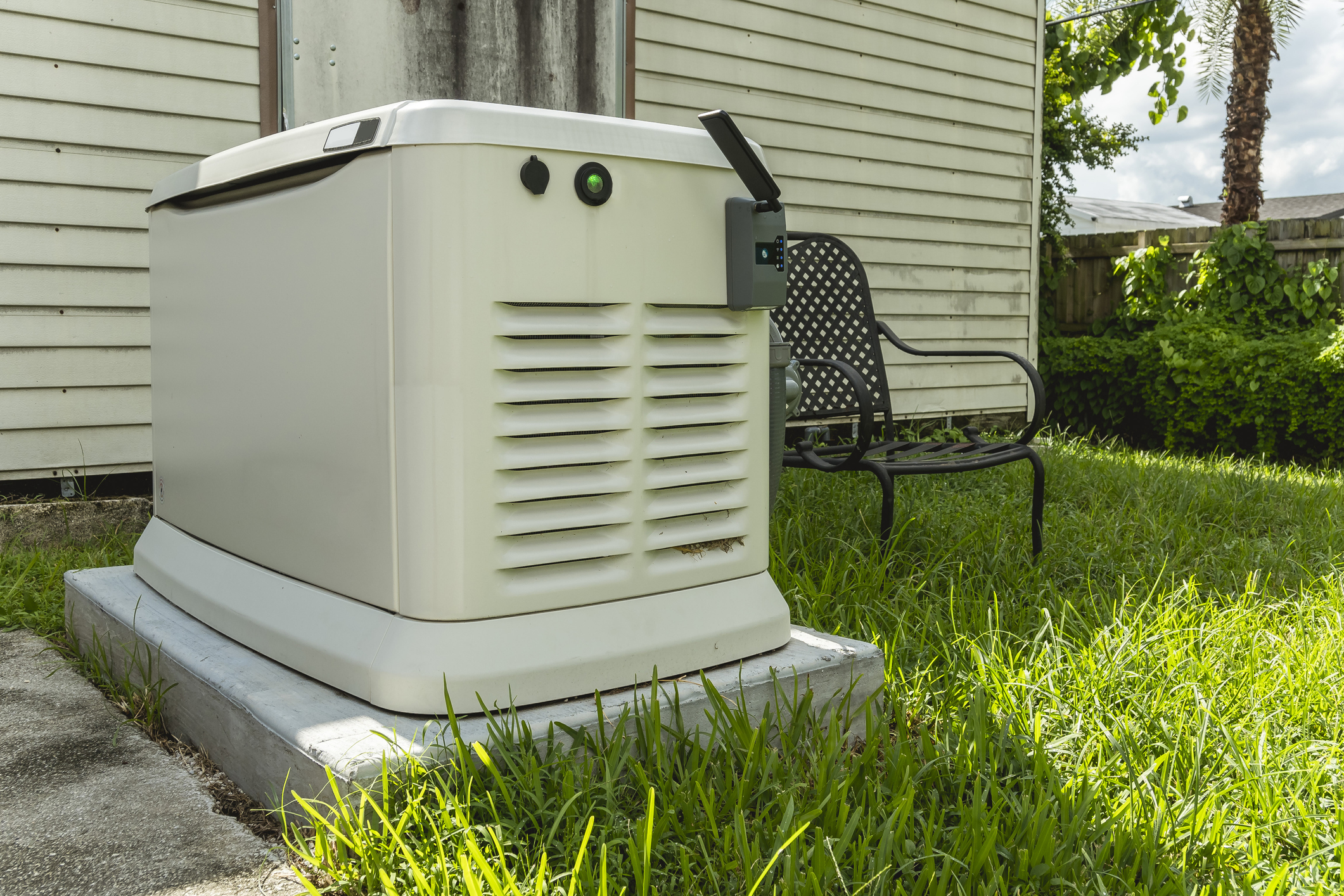
When you invest in a whole-home generator, it provides peace of mind, keeping your family comfortable and your life uninterrupted during a power outage. An essential beginning to this process is selecting the right size unit. Choosing a generator that is too small can lead to overloads and system failure when you need it most, but if you have one that is too large, it can be inefficient and unnecessarily expensive. So, how do you find the perfect fit?
Sizing a generator correctly involves calculating your home’s total electrical demand. This is measured in watts (W) or kilowatts (kW), which is simply 1,000 watts. The goal is to choose a generator with enough capacity to power all your essential appliances and systems without strain.
Understanding Generator Power: Watts and Amps
Before you can calculate your needs, it helps to be familiar with the basic terms. Your home’s electrical system and appliances are rated in watts, amps, and volts. For generator sizing, the most important number is watts, which measures the rate of power consumption.
You can usually find the wattage listed on an appliance’s data plate or in its owner’s manual. If you only see amps and volts, you can calculate the wattage yourself with a simple formula: Volts x Amps = Watts. For example, a device that uses 5 amps on a standard 120-volt circuit consumes 600 watts.
The Critical Difference: Running Watts vs. Starting Watts
One of the most important concepts in generator sizing is the distinction between running (or rated) watts and starting (or surge) watts. Running watts describe the continuous power an appliance needs to operate. Starting watts, on the other hand, refer to the extra burst of power required to start an appliance with a motor, such as a refrigerator, air conditioner, or well pump. This initial surge can be two to three times higher than the running wattage, but it only lasts for a few seconds.
Your generator must have enough capacity to handle the combined running watts of all your appliances, plus the single highest starting wattage from any one device. If it can’t accommodate that initial surge, it could trip the generator’s circuit breaker or even damage your appliances.
How to Estimate Your Home’s Power Requirements
A precise load calculation is best left to a professional, but you can create a solid estimate by following a few steps. This will give you a better understanding of what size generator you might need and help you have a more productive conversation with an expert.
Step 1: List Everything You Want to Power
Start by making a comprehensive list of all the circuits and appliances you consider essential during an outage. Think beyond just the lights and the refrigerator. Your list should be broken down into two categories: essentials and nice-to-haves.
Common items to include on your list are:
- Refrigerator and/or freezer
- Sump pump or well pump
- Furnace fan (gas or oil heat)
- Central air conditioning unit
- Microwave and coffee maker
- Home office equipment (computer, modem)
- Medical equipment
Step 2: Determine the Wattage for Each Item
Next, find the running and starting wattage for every item on your list. Check the compliance plates on the appliances themselves or consult their user manuals. For items that are hard-wired, like a furnace or central AC, this information may be harder to find, which is one reason a professional evaluation is so valuable.
Step 3: Calculate Your Total Wattage Needs
Once you have your list, you can perform a basic calculation. First, add up the running watts of everything you plan to power simultaneously. Then, identify the appliance with the highest starting wattage on your list. To get your estimated total requirement, add that single highest starting wattage to your total running wattage.
Total Requirement = Total Running Watts + Highest Starting Watts
Common Whole-Home Generator Sizes
Whole-home generators come in a wide range of sizes. While a custom load calculation is the only way to know for sure, here are some common sizes and what they can typically handle:
Generator size categories:
- 10-14 kilowatts: smaller homes and essential appliances
- 16-22 kilowatts: average homes with a central AC
- 24-48 kilowatts: large homes with high-demand electrical loads
Why Professional Sizing and Installation Is a Must
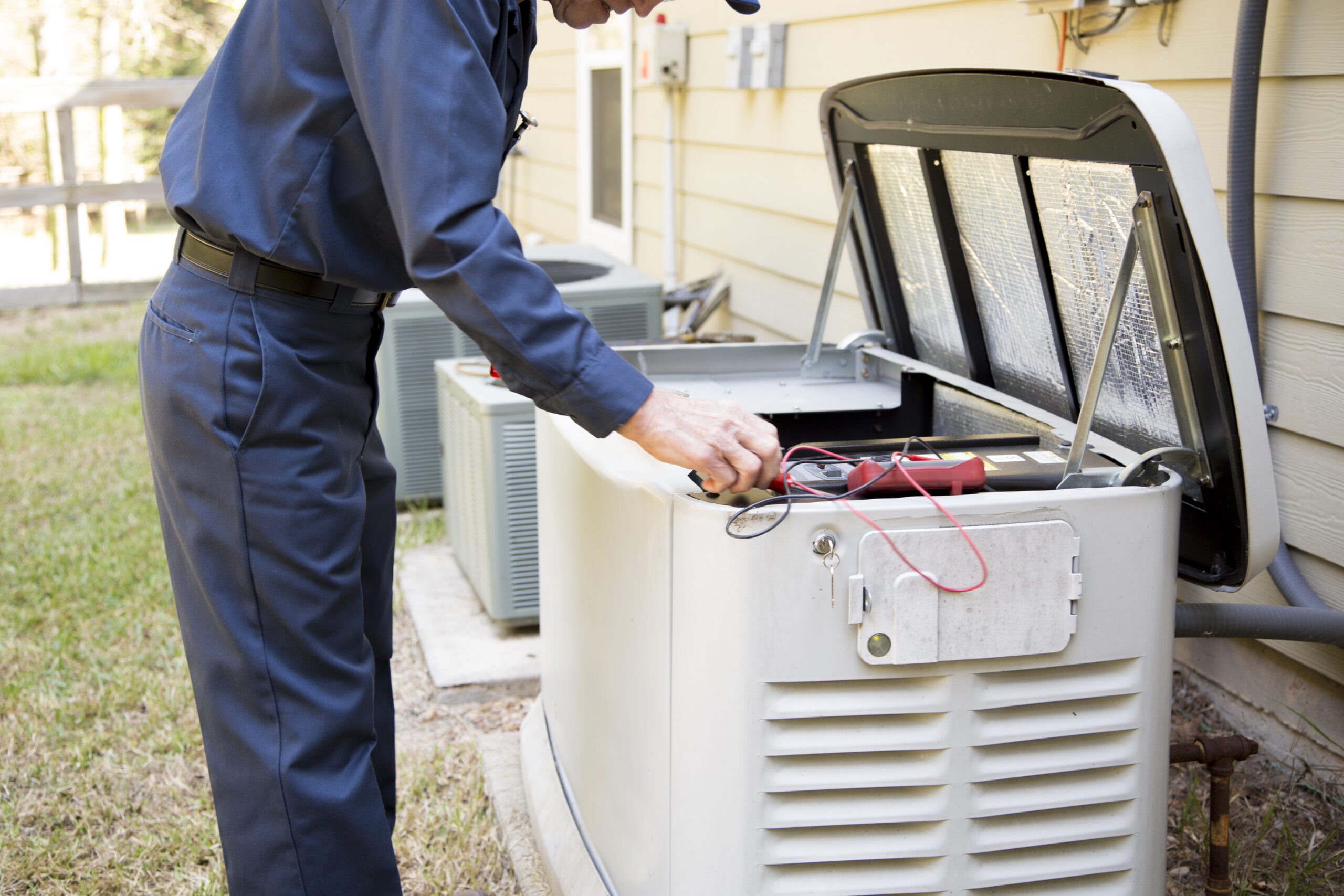
While an estimate is helpful, a precise load calculation performed by a qualified professional is essential for selecting the right generator. An expert will account for every circuit in your home, ensuring no detail is overlooked. This prevents the common pitfalls of DIY sizing.
An undersized generator will struggle to meet your home’s demands, leading to potential overloads, shutdowns, and damage to both the generator and your sensitive electronics. Conversely, an oversized generator costs more upfront and consumes more fuel than necessary. Professional generator installation ensures your system is perfectly matched to your needs, operates safely, and complies with all local codes.
At Generator Services, Inc., our process always begins with a detailed, on-site assessment to determine your exact power requirements. We take the time to understand your needs and design a system that provides reliable, automatic backup power for your entire home. Our expert generator services give you the confidence that your family will be protected during the next outage.
If you have any questions about the process or are ready to schedule a consultation for whole-home generator installation, contact us at Generator Services, Inc.