Permits, Codes & HOA Rules for Whole Home Generators in Columbia, SC
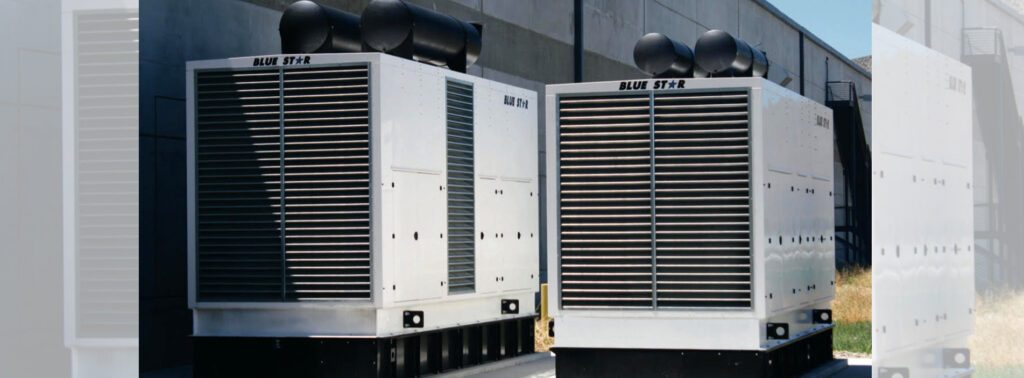
Installing a whole-house generator, also known as a standby or backup generator, ensures that your home will still have power whenever a blackout occurs. That way, you can prevent food in your refrigerator and freezer from spoiling, run your heating or AC, charge your devices, and power any necessary medical equipment. You might be considering a standby generator for your home. If so, this article will explain everything you should know to ensure that it is compliant with all of the permit, code, and HOA requirements.
Permitting Requirements
Before you can legally install a whole-home generator, you’re required to apply and pay for a building permit, an electrical permit and a gas permit with the city. Only a licensed contractor can obtain the necessary permit, and every part of the installation must also be handled by a licensed professional. Once the installation is complete, everything must be inspected by the city electrical inspector to ensure that it conforms with local and national code requirements.
Installing a generator without a permit can lead to numerous consequences. If the city finds out that you’re in violation of the permitting requirements, they’ll require you to pay for both the permit and the inspection. They can also fine you up to double the cost of the permit fee. If the work doesn’t meet all of the code requirements, you’ll have to hire an electrician to fix any violations and then pay for another inspection.
Another concern is the potential insurance implications you could face. Improper electrical work can be a significant fire hazard. As long as the installation was performed by a professional, your homeowners insurance should cover the cost to repair all of the damage if a fire occurs. If you didn’t follow the permit and inspection requirements, your claim will almost certainly be denied. That means you’d have to pay for all of the repairs out of pocket. There’s also a good chance that your insurer will deem you high risk and drop your policy or increase your rate.
Not following the necessary requirements will also void the manufacturer’s warranty on the generator. That’s because the warranty is wholly dependent on the installation being done by a licensed professional and meeting all of the code requirements.
Code Regulations
Whole-house generators must meet all of the relevant local National Electrical Code and National Fire Protection Association code requirements. These requirements pertain to things like the placement of the generator, the amount of clearance it must have, and how it’s wired to the home’s electrical system. Whether you’re connecting the generator to your home’s natural gas supply or installing a propane tank, there are specific rules governing the type and location of the gas pipes as well.
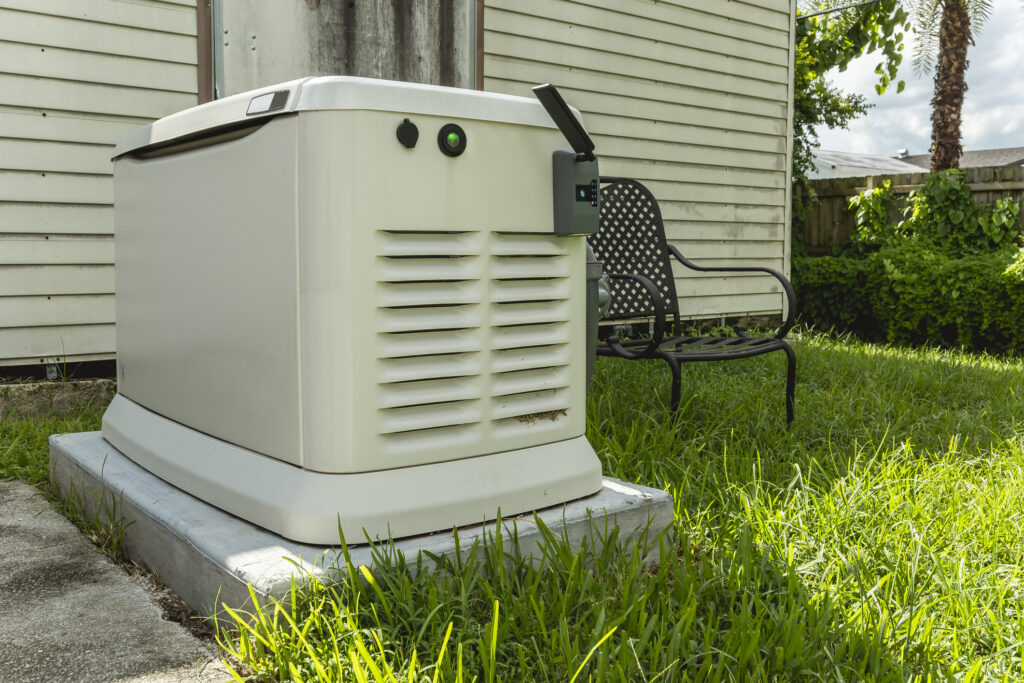
A permanently installed standby generator must be mounted on a fire-resistant, level pad, and it must be at least five feet away from windows, doors, vents, and air intakes. The latter rule is to prevent carbon monoxide in the exhaust from potentially getting inside the house. There usually needs to be at least 36 inches of clearance between the generator and the house, any other structures, or a fence to prevent it from potentially causing a fire. However, this rule can vary depending on the model you install and its fire rating.
South Carolina electrical code requires that standby generators must be connected to the building’s electrical system with an automatic transfer switch (ATS). The ATS serves two different purposes. The first is that it monitors the electricity flowing into the building from the grid. When the power goes out, the switch immediately signals the generator to start running. This ensures that the power will be restored within 60 seconds.
The reason that electrical codes require an ATS is that it also disconnects the house from the grid when the generator turns on. This is essential for preventing the electricity the generator produces from bleeding back into the grid to ensure the safety of the utility technicians who are working to restore the power.
Potential HOA Rules
Every HOA has its own rules and bylaws, meaning the rules that apply in one neighborhood may not apply to another. That said, you usually need to apply for approval by submitting a plan and showing proof of the necessary permits before the HOA will allow you to install a permanent generator. Some HOAs don’t allow standby generators.
If anyone in the household has a medical device that requires constant power and you can’t get approval from the HOA to install a generator, you can potentially get an exception under the Americans with Disabilities Act or the Fair Housing Act. However, you’ll still be required to ensure that the installation meets electrical, building, and fire codes.
Many HOAs have specific rules regarding where you can place a generator and how much noise it produces. Most require you to install the unit in the backyard and meet setback requirements in terms of how far away it has to be from neighboring properties. Maximum decibel level limits are common to prevent the generator from disturbing neighbors when it runs.
You may also be required to ensure that the generator can’t be viewed by your neighbors, such as by putting a fence around it or hiding it with landscaping features. Some HOAs have extremely strict requirements that can even dictate what color the generator can be.
Standby generators have weekly, bi-weekly, or monthly self-test or “exercise” cycles, which are a necessary part of ensuring they are properly maintained and work as they should. You have to make sure to schedule this cycle outside of the normal quiet hours, or you could get fined by both the HOA and the city.
At Generator Services, Inc., we have more than 30 years of experience providing reliable installation and maintenance services for home and business owners in Columbia and throughout South Carolina. Our team fully understands all of the local and national requirements and is ready to guide you through the installation process from start to finish.
To set up a consultation and get expert advice on which generator is best for your specific needs, contact us today.