Backup Power Compliance for Healthcare Facilities in South Carolina
In a healthcare setting, a power outage can jeopardize patient safety, compromise sterile environments, and halt life-saving procedures. For hospitals, dental clinics, and assisted living facilities in South Carolina, maintaining continuous power is essential for operational integrity and patient care. It’s also required by law.
Healthcare generator compliance in SC involves meeting rigorous standards set by agencies like the South Carolina Department of Health and Environmental Control (DHEC). These regulations guarantee that, when the grid fails, your facility has a reliable backup power system ready to take over.
Why Uninterrupted Power Is Non-Negotiable in Healthcare
The core mission of any medical facility is to protect and preserve life. A sudden loss of power directly threatens that. Critical medical equipment, from ventilators and infusion pumps to surgical and diagnostic imaging machines, relies on a constant electrical supply. An interruption of even a few seconds can have serious consequences for patients who depend on this technology.
Beyond direct patient care devices, backup power is also essential for maintaining the facility’s core infrastructure. HVAC systems must continue running to control temperature, humidity, and airflow in operating rooms and patient areas, preventing the spread of airborne contaminants. Emergency lighting, fire alarm systems, and electronic health record access all depend on a seamless power source to maintain safety and continuity of care during an outage.
Understanding South Carolina’s Regulatory Landscape
Healthcare facilities in South Carolina are licensed and regulated by the DHEC, which enforces a comprehensive set of standards for emergency preparedness. When it comes to backup power, DHEC generator regulations are heavily influenced by national codes, primarily those of the National Fire Protection Association (NFPA), including NFPA 99 (Health Care Facilities Code) and NFPA 110 (Standard for Emergency and Standby Power Systems).
These codes provide detailed requirements for the installation, testing, and maintenance of emergency power supply systems (EPSS). DHEC inspectors will verify that your system is fully functional, properly maintained, and regularly tested according to these strict guidelines.
Specific Power Requirements for Different Facilities
While all healthcare settings need reliable power, the specific requirements vary based on the level of care provided. DHEC and NFPA standards categorize systems to match the needs of different facilities.
Hospitals and Critical Care Centers
Hospitals have the most demanding requirements. They must have a Type 1 EPSS, capable of automatically restoring power to critical systems within 10 seconds of an outage. This guarantees that life support equipment, operating rooms, and intensive care units never lose power. Reliable hospital backup power in Columbia and across the state must support designated life safety, critical, and equipment branches to maintain full operational capacity.
Assisted Living and Nursing Homes
For long-term care facilities, the focus is on life safety and the well-being of residents. An assisted living emergency generator is required to power essential systems like fire alarms, emergency lighting for safe egress, medical alert systems, and critical HVAC components. In facilities where residents rely on electrically-powered medical equipment, the generator must also support those devices to maintain continuity of care.
Dental Clinics and Outpatient Facilities
Outpatient centers, including dental clinics performing sedation or surgery, are also governed by specific regulations. The scope of medical facility backup power in these settings depends on the procedures performed. At a minimum, power is needed for egress lighting and life safety systems. Facilities using critical equipment, like surgical suction or monitoring devices, must have a generator capable of supporting those loads to protect patient safety during a procedure.
Key Elements of a Compliant Backup Power System
A compliant emergency power system is more than just a generator. It’s an integrated system of components that must work together perfectly. Achieving compliance means addressing several key areas.
Your system must include:
- Automatic transfer switches to detect power loss
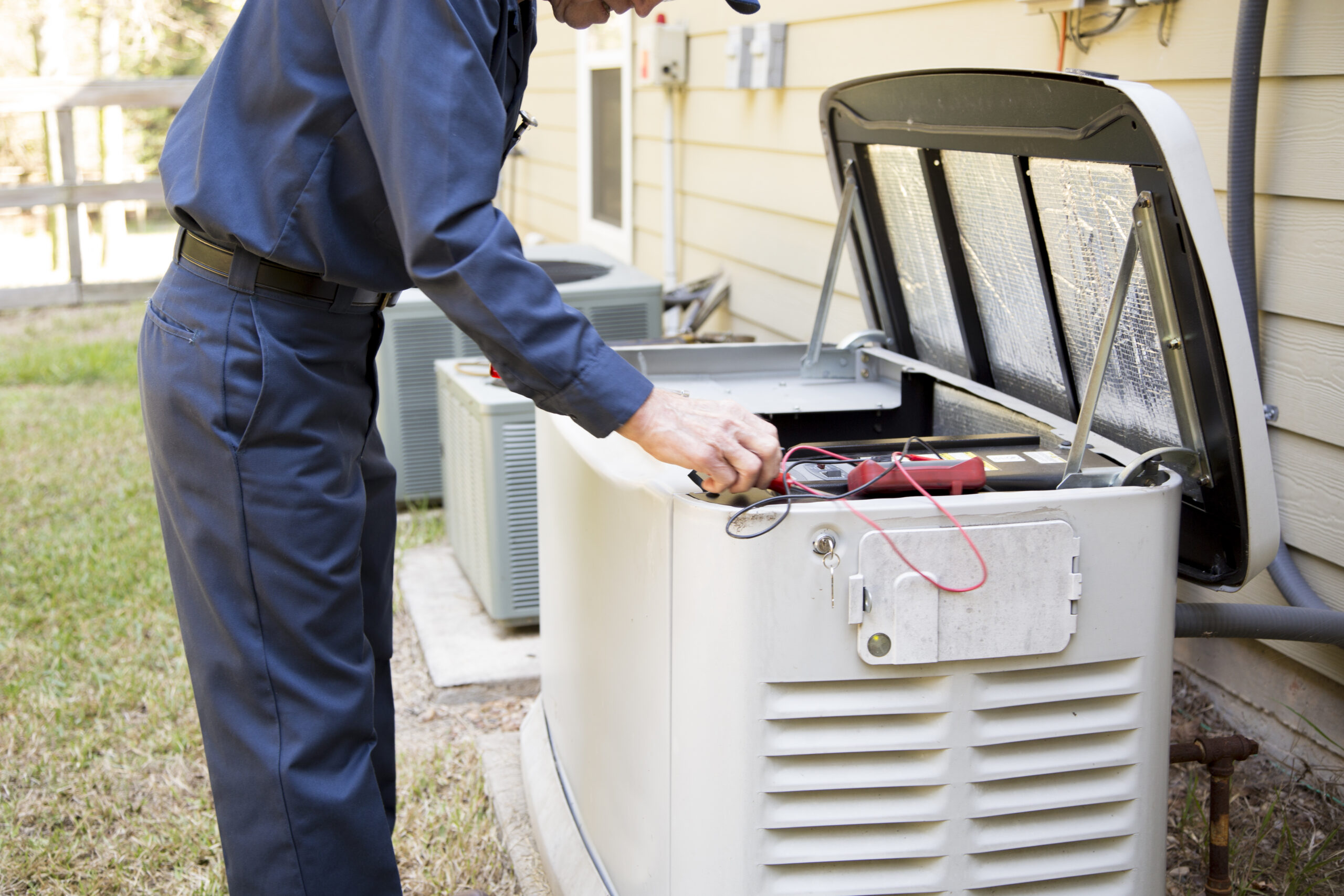
- Regular testing and maintenance in accordance with DHEC/NFPA code requirements
- Sufficient on-site fuel for extended outages
- Detailed logs of all tests and maintenance
Partnering With an Expert for Healthcare Generator Compliance in SC
The complexities of DHEC regulations and NFPA codes can be overwhelming for facility managers. Making sure your system is properly designed, installed, and maintained requires specialized expertise. A knowledgeable partner can help you navigate the entire process, from initial commercial generator installation to developing a compliant maintenance and testing plan.
Making sure your healthcare facility has a dependable backup power system is important. At Generator Services, Inc., we have specialized knowledge in South Carolina’s healthcare power compliance requirements. Our team understands the unique challenges faced by hospitals, assisted living centers, and medical clinics. We provide comprehensive commercial generator services designed to keep your facility safe, operational, and fully compliant with all state and federal regulations.
For expert guidance on emergency backup power compliance for your healthcare facility in South Carolina, contact Generator Services, Inc. today to schedule a consultation.